
How a 70sqm Backyard Change Can Boost Your Perth Property Income by 27 Percent
Learn how WA's planning reforms unlock passive income with backyard ancillary dwellings, and how to manage the joint-tenancy logistics stress-free.
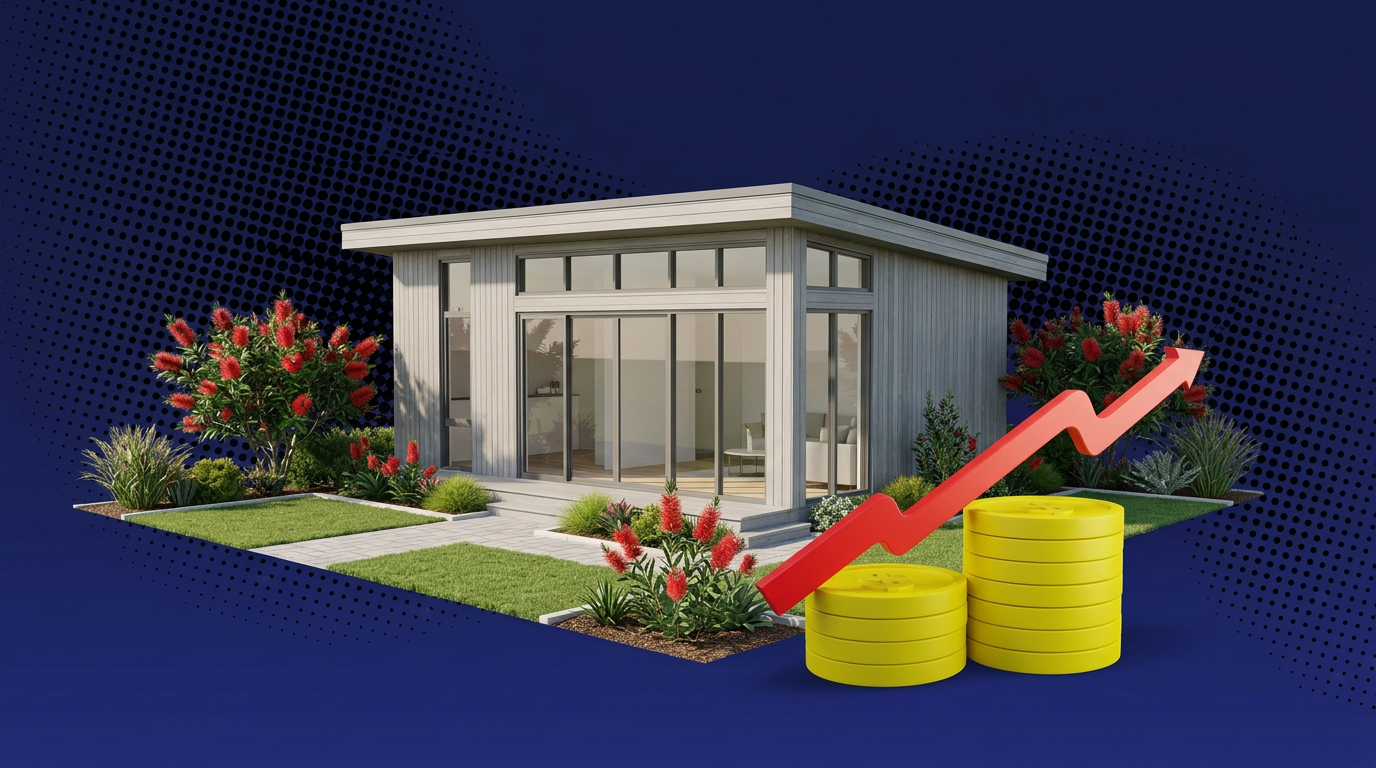
For many homeowners south of the river in Perth, the family home is more than just a place to live; it represents a hard-earned foundation for long-term security. However, as living expenses rise, simply sitting on a large, traditional suburban block can feel like holding onto underutilised capital. In suburbs like Lynwood and Parkwood, where block sizes from the 1960s and 1970s regularly span 800 square metres to over 1,200 square metres, there is a quiet revolution occurring in backyards. Rather than undergoing a complex, costly subdivision that slices a property in half, property owners are looking at their backyards as engines for passive wealth. But the central challenge remains: how do you add a secondary household to your land without turning your peaceful suburban sanctuary into a high-friction battleground of shared driveways and tenant disputes?
The Suburban Goldmine in Your Backyard: Zoning and the 70sqm Advantage
The unpretentious, highly connected, and family-centric atmosphere of Lynwood has long made it a favoured pocket for multi-generational families and smart investors. Historically, unlocking the value of these large blocks required navigating a complex web of council approvals, zoning overlays, and costly subdivision fees. However, recent Western Australian planning reforms have completely changed the landscape for local property owners. Under these state-wide reforms, compliant ancillary dwellings up to 70 square metres no longer require planning approval, and the minimum lot size requirement has been entirely abolished.
This planning shift represents a major opportunity for those looking to build an ancillary dwelling WA buyers and renters alike are increasingly seeking. In areas zoned R20/R30, such as the Clovercrest Estate and surrounding streets, property owners can construct these secondary dwellings (commonly known as granny flats) to generate supplementary income. While neighboring councils like the City of Victoria Park navigate their own urban infill strategies, the City of Canning's application of these state-wide codes in Lynwood presents a remarkably clear pathway for backyard development, subject to standard building permit requirements.
As the winter cold settles in, mid-year is the ideal time to review your property assets. For instance, events like the upcoming mid-July Tax-Time Tune-up workshop at the nearby Billabong Community Centre in Canning Vale serve as an excellent seasonal prompt for local owners to assess their portfolio structures, review their taxable assets, and determine if their land can be better utilised to secure their financial future.
The Math of the Dual-Income Stream: Lifting Your Gross Income
When searching for viable passive income ideas, many property owners default to shares or purchasing entirely new investment properties, which often require taking on substantial new debt. Optimising your existing footprint, however, bypasses the entry costs of a new purchase while significantly boosting your portfolio's performance. Data from a comprehensive CoreLogic and Archistar analysis shows that constructing an ancillary dwelling can boost overall rental income by approximately 27% and increase total property value by up to 30%.
Furthermore, location-specific premiums within the suburb can amplify these gains. For example, properties located within 200 metres of the rehabilitated Bannister Creek Reserve 'Living Stream' corridor in Lynwood command an approximate 4.7% premium in property value, making secondary builds in these green corridors highly desirable for incoming tenants.
To capitalise on this, you must understand how to make a budget that accounts for both upfront construction costs and long-term holding adjustments. We believe in being upfront: building a quality secondary dwelling typically requires an investment of $120,000 to $200,000, and your local council rates will rise once the Valuer General revises your property's Gross Rental Value (GRV). When calculating your projected gross income, this rate adjustment must be factored into your cash flow model.
To keep initial expenses in check, smart property owners employ practical money saving tips during the design phase. Opting for modular or prefabricated designs can cut construction times in half, minimizing disruption to the primary tenant. Additionally, positioning the secondary dwelling to utilize existing gravity-fed sewer connections, rather than installing expensive pump stations, can save thousands in groundworks, subject to council approval (STCA).
The Operational Danger Zones: Shared Driveways, Sub-Meters, and Compliance
While the financial upside is compelling, managing two independent households on a single title requires careful planning. Without clear operational boundaries, dual-occupancy properties can easily become a source of ongoing landlord headaches. When configuring secondary dwellings on large blocks in Lynwood, such as the generous footprints found at 18 Brandon Way or 12 Cranley Place, we implement a three-part operational blueprint to prevent friction before it starts:
- Physical Boundary Mapping: Maintain a clear division of space. This means creating dedicated, private side-gated access pathways and designated courtyard spaces, ensuring neither tenant feels overlooked by the other.
- Utility Isolation via Secondary Sub-meters: Never attempt to split utility bills on a percentage basis or guess usage. Installing secondary sub-meters for Water Corporation and Western Power services allows for transparent, indisputable billing based on actual consumption, eliminating the primary source of dual-tenancy disputes.
- Drafting RTA-compliant 'Good Neighbor' Lease Clauses: Incorporate clear terms regarding shared responsibilities, such as bin placement, driveway parking rights, and noise boundaries, directly into the tenancy agreements.
Operating a dual-occupancy property also requires strict adherence to WA's evolving legislative landscape. Under the 2026 WA rental reforms, rent increases are restricted to once every 12 months, and rent bidding is strictly prohibited. This means setting an accurate, compliant rental price from day one is critical to securing a strong, lawful rental yield. Fortunately, the demand for well-designed housing remains exceptionally strong. According to the REIWA Rental Vacancy Rates for May 2026, Perth's rental vacancy rate is still sitting tight at 2.0%, well below balanced market levels, ensuring a highly receptive pool of prospective tenants for premium dual-occupancy configurations.
Why Self-Managing a Dual-Tenancy is a Fast Track to Burnout
Managing a single rental property can be demanding, but managing a dual-occupancy site on a single title doubles the administrative and emotional workload. When tenants live in close proximity, minor issues like a misplaced bin or an obstructed driveway can quickly escalate into personal disputes. If you self-manage, you become the default mediator for these domestic disagreements, a role that can quickly drain your time and energy.
Trying to "wing" shared-space arrangements without professional oversight often leads to high tenant turnover, prolonged vacancies, and ultimately, a reduced return on your investment. High-quality tenants, such as professionals commuting to the nearby Curtin University academic hub or families wanting to live near Lynwood Senior High School, value their privacy and peace of mind. They look for homes that offer genuine lifestyle appeal, close to local gems like Espresso Moriello for their morning coffee, and the daily convenience of the Lynwood Village Shopping Centre, known locally as 'The Village' with its SUPA IGA.
To attract and retain these reliable tenants, the property must be managed with absolute professionalism, ensuring that physical boundaries are respected, maintenance requests are handled promptly, and communication remains neutral and structured.
Building Your Operational Buffer: The Professional Management Solution
Unlocking backyard equity does not have to mean sacrificing your weekends to tenant management. By partnering with an experienced property management team, you can enjoy the financial benefits of a dual-income property while keeping your personal life completely separate from day-to-day operations.
At MaxPro Real Estate, we leverage over 30 years of local real estate experience to provide a dedicated, transparent, and award-winning service. Our specialized Lynwood property management services are designed to handle the unique logistics of dual-occupancy properties. From conducting rigorous tenant screening to ensure compatible households, to executing detailed routine inspections of both dwellings, we ensure your asset is protected and maintained to the highest standard.
Our Forward Market Outlook: Over the next 12 to 18 months, as overall housing supply gradually increases, Perth tenants will become highly selective, meaning dual-occupancy properties will only maintain premium yields if they offer distinct physical privacy and professional management. Investing in proper boundary design and structured management today is the key to future-proofing your investment for tomorrow.
Whether you are navigating a changing personal situation, preparing an estate for the next generation, or simply looking to build long-term financial security, utilizing your backyard is a practical, highly effective path to achieving your financial goals.
Request your free 6147 Dual-Income Feasibility Pack today to receive a physical checklist of WA planning requirements, a guide to local rental yields, and a utility sub-metering cash flow template. We will send it directly to your inbox and follow up with a single, brief call to see if you have any questions, absolutely no hounding. If you are not ready to build just yet, you can also subscribe to receive our monthly local market snapshot to stay updated on Lynwood property trends.
Get Your 6147 Dual-Income Feasibility Pack
Unlock the passive income potential of your Lynwood block with our comprehensive planning, yield, and utility templates.
- WA 70sqm compliance checklist
- Local academic rental yield guide
- Utility cash flow planning template